
www.magazine-industry-usa.com
10
'26
Written on Modified on
Siemens & FuelCell Energy Advance Scalable Fuel Cell Power Solutions
This collaboration combines fuel cell technology and electrical infrastructure to accelerate deployment of distributed energy systems for data centers and industrial applications.
www.siemens.com
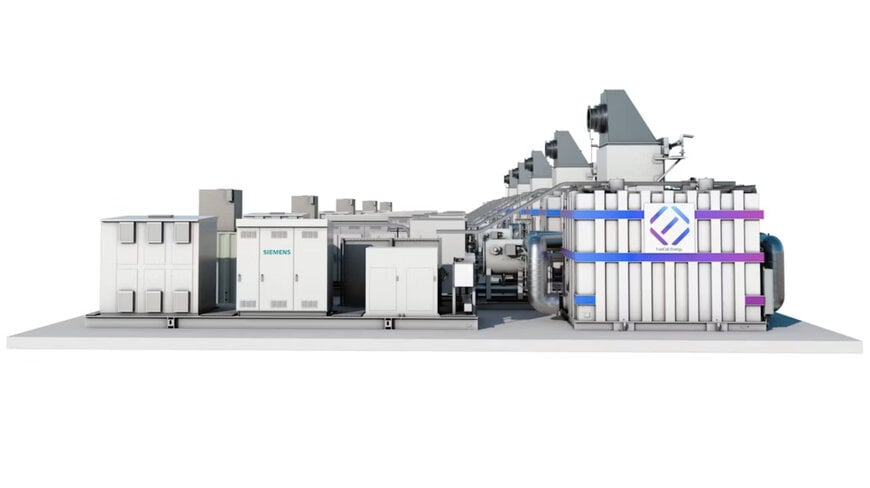
Siemens and FuelCell Energy, Inc. are partnering to engineer and implement distributed energy systems integrating electrical balance of plant hardware with fuel cell installations. This technical solution targets mission-critical operations such as data centers and industrial facilities requiring high-capacity decentralized power generation.
Operational Challenges and Cooperative Roles
The shift toward decentralized power requires the alignment of local energy generation with robust electrical distribution. FuelCell Energy manufactures and services fuel cell power plants, while Siemens engineers the corresponding electrical infrastructure. The cooperation addresses the complexity of deploying commercial projects exceeding 100 megawatts by combining generation technology with standardized electrical integration, thereby establishing a framework for large-scale distributed generation.
Technical Solution and Responsibilities
The joint development focuses on standardizing the electrical balance of plant systems required for continuous fuel cell installations. Siemens designs and supplies this electrical infrastructure, which incorporates battery energy storage, microgrid controls, and medium-voltage equipment. FuelCell Energy manages the core fuel cell power units. This combined architecture functions as a unified power solution, routing local power generation through scalable microgrid controls to support continuous digital infrastructure and industrial automation systems.
Deployment and Implementation
The system is engineered to integrate modular electrical hardware directly into the existing power architectures of energy-intensive facilities. The companies are executing pilot initiatives to assess technical integration, specifically evaluating medium-voltage direct current power delivery mechanisms. Engineering tasks are divided to ensure that the transition from pilot testing to commercial implementation utilizes standardized deployment frameworks, minimizing custom engineering requirements at individual sites.
Applications and Use Cases
Target applications include utility networks, industrial processing plants, and critical data centers that require uninterrupted energy. Concrete use cases involve deploying on-site microgrids engineered to maintain process stability independently from primary grid fluctuations. Consolidating the electrical and generation infrastructure yields operational benefits such as enhanced system maintainability and continuous power reliability for isolated operations.
Expected Technical Impact
Aligning power generation mechanisms with standardized electrical distribution reduces component integration latency and shortens engineering timelines for high-capacity installations. By utilizing modular medium-voltage hardware and predefined control logic, the infrastructure scales precisely to support loads exceeding 100 megawatts without requiring foundational hardware redesigns.
Edited by Natania Lyngdoh, Induportals editor, assisted by AI.
www.siemens.com
-2296-71282-204124.png)