
www.magazine-industry-usa.com
19
'26
Written on Modified on
Regulatory Review Advancement for Small Modular Reactor Deployment
Blue Energy and GE Vernova Hitachi advance nuclear and gas integration through the regulatory construction permitting process.
www.gevernova.com
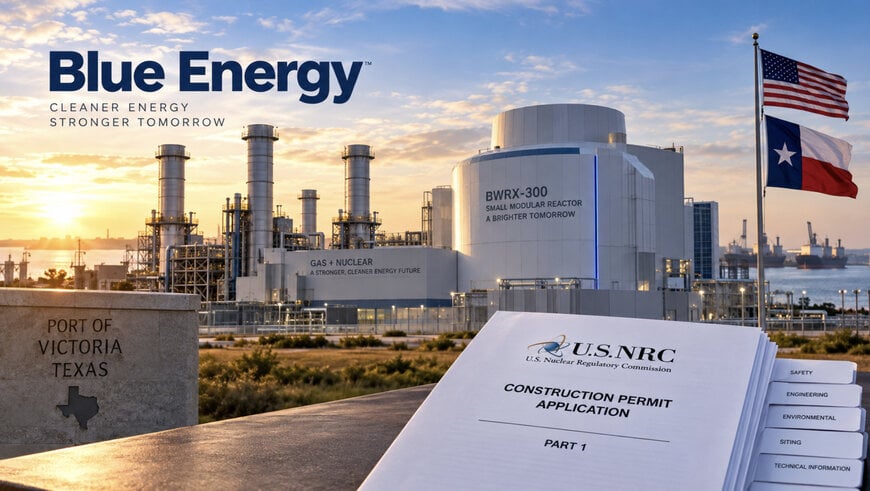
The deployment of advanced small modular reactor technology requires rigorous regulatory review and coordinated engineering efforts between technology developers and project applicants. Blue Energy collaborates with GE Vernova Hitachi to advance the regulatory licensing phase for a combined gas-plus-nuclear power generation project. This initiative addresses the growing industrial demand for scalable, low-carbon baseload energy through standardized nuclear reactor designs integrated with conventional natural gas infrastructure.
Technical Solution and Division of Responsibilities
The planned facility integrates GE Vernova 7HA.02 gas turbines with BWRX-300 small modular reactor units. Blue Energy oversees project development, site-specific environmental and meteorological data collection, and construction permit application submissions to the regulatory authorities. GE Vernova Hitachi provides technical information, core engineering services, and reactor design specifications tailored to the boiling water reactor architecture.
The BWRX-300 system utilizes natural circulation and passive safety features to reduce complexity while meeting stringent regulatory standards for nuclear safety. Interfacing the nuclear island with gas turbine assets requires synchronized control architectures and power management systems capable of handling dynamic load variations and grid stabilization requirements.
Implementation and Integration
Deployment is planned at the Port of Victoria in Texas, utilizing a phased construction permit application strategy. Initial filing components encompass foundational safety and design summaries, while subsequent filings scheduled for 2027 will incorporate comprehensive site-specific data gathered over a mandatory one-year monitoring period. Engineering teams coordinate site layout integration, grid interconnection studies, and safety system validation to align with existing industrial infrastructure standards.
Applications and Operational Impact
Target applications include heavy industrial manufacturing hubs, regional electrical grids, and large-scale commercial operations requiring reliable, high-capacity power with reduced carbon intensity. Concrete use cases involve combining flexible gas turbine peaking capacity with the continuous baseload output of small modular reactors. Operational benefits include enhanced power supply reliability, optimized thermal efficiency, and a repeatable deployment framework that mitigates long-term construction and licensing risks.
Edited by Sucithra Mani, Induportals editor – adapted by AI.
www.gevernova.com
-2296-71282-204124.png)