
www.magazine-industry-usa.com
09
'26
Written on Modified on
LG Sonic Tests Maryland Algae Control Technology
Deployment of solar-powered ultrasonic systems by the Maryland Department of Natural Resources to limit cyanobacteria growth in inland waters.
www.lgsonic.com
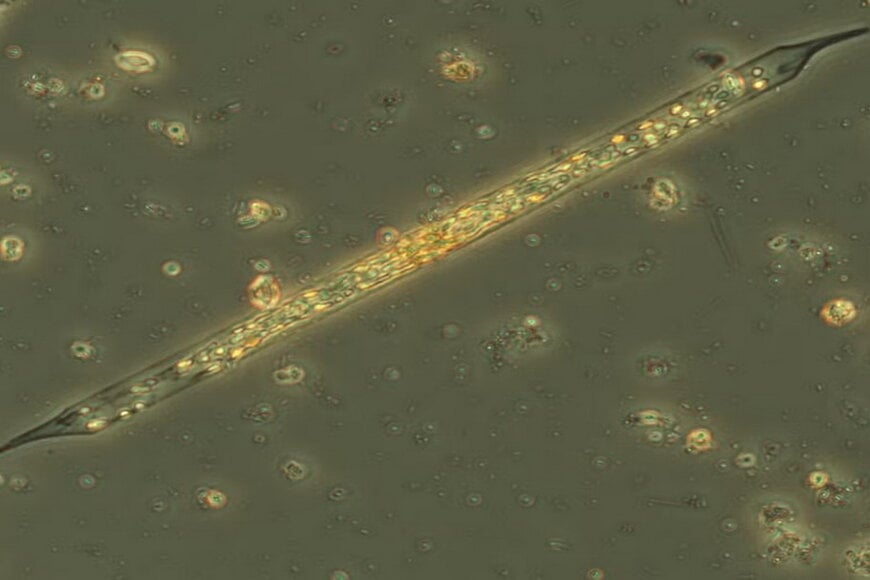
The Maryland Department of Natural Resources (DNR), in collaboration with researchers from the University of Maryland, has tested a non-chemical ultrasonic system designed to reduce harmful algal blooms (HABs) in inland lakes. The technology, deployed on solar-powered floating buoys, emits low-power ultrasonic waves into the water column to disrupt algal growth processes, aiming to improve water clarity and support recreational use. This initiative reflects increasing interest in the digital supply chain of environmental monitoring and control technologies as nutrient pollution and warming temperatures drive more frequent cyanobacterial events.
Background and Relevance
Harmful algal blooms, particularly those dominated by cyanobacteria, pose risks to ecosystems and public health by producing toxins and depleting dissolved oxygen. Traditional management approaches—such as chemical dosing, mechanical removal, or nutrient input reduction—can be costly, slow, or disruptive to aquatic life. In contrast, ultrasonic control operates continuously and autonomously, offering an alternative with reduced chemical use and minimal direct impact on non-target species.
Mechanism of Ultrasonic Control
The system tested in Maryland uses buoys equipped with ultrasonic transmitters (sonicators) powered by integrated solar panels. These transmitters deliver low-power ultrasonic pulses into the photic zone, the upper layer of water where sunlight penetration enables photosynthesis. The ultrasonic waves create a pressure barrier that interferes with cyanobacteria buoyancy regulation, preventing cells from rising to the surface and accessing light essential for growth. As a result, the algal cells remain at depths where they are less able to proliferate rapidly, reducing bloom formation without lysing cells or releasing intracellular toxins.
Deployment and Observed Outcomes
In June 2024, DNR installed two solar-powered sonicator buoys in Hunting Creek Lake, Frederick County, after significant cyanobacterial blooms had previously necessitated recreational closures. Monitoring indicates that, following installation, the water body did not experience toxin-producing blooms in the typical late summer and fall period, although historical levels and broader climatic variability remain factors. State personnel monitor the systems via an online dashboard, enabling remote adjustments to ultrasonic waveforms in response to water quality trends and species composition.
Technical and Operational Considerations
Each buoy is reported to cost approximately $50,100, a non-trivial capital expenditure for local management agencies, but DNR considers the investment justified by improved water quality and recreational safety outcomes. The frequency range of the sonicators overlaps with those of fishfinders, and local environmental review concluded the approach would not harm fish populations at Hunting Creek Lake. Beyond ultrasonic control, DNR has concurrently deployed additional monitoring tools—such as automated imaging and classification systems—to accelerate detection of algal community changes and support more proactive management.
Application Context and Future Directions
Ultrasonic HAB control represents one element of an emerging ecosystem of monitoring and management technologies, integrating real-time data acquisition with responsive mitigation mechanisms. While long-term efficacy and scalability across diverse water bodies remain under study, the Maryland deployment demonstrates a practical case of integrating ultrasonic systems into broader water quality strategies. Such systems are increasingly considered alongside nutrient reduction policies and predictive modeling tools to form a comprehensive response to algal bloom challenges in freshwater resources.
This narrative interprets field deployment data and operational context from state agency reports and technical sources, situating ultrasonic bloom control within the broader automotive data ecosystem of environmental monitoring infrastructure and response technologies.
www.lgsonic.com
-2296-71282-204124.png)