
www.magazine-industry-usa.com
09
'26
Written on Modified on
ABB upgrades U.S. plant with solar and digital energy
Modernization of a legacy manufacturing site combines on-site renewable generation and energy monitoring systems to improve efficiency, resilience, and operational performance.
global.abb
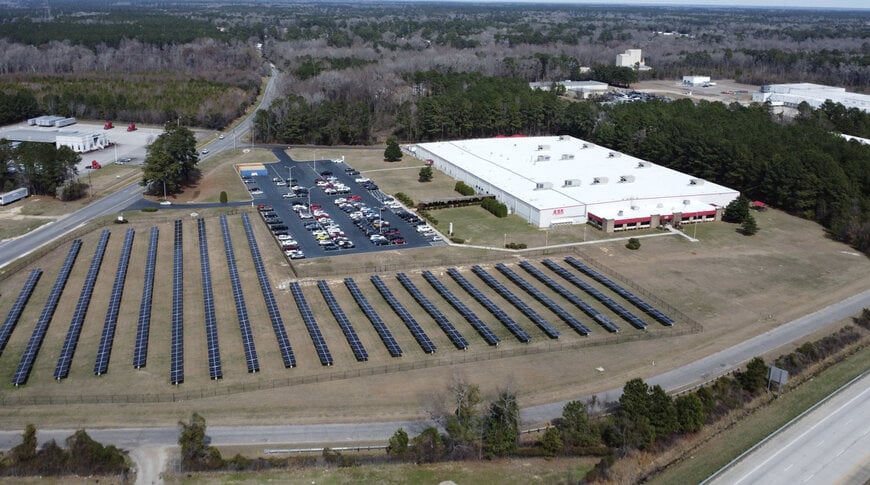
ABB's 47-year-old facility in Florence, SC, now sources roughly 80% of its electricity from a three-acre solar array that generates approximately 1.5 million kWh of on-site renewable power annually.
Industrial manufacturing, building energy management, and electrification systems are increasingly focused on reducing energy consumption while maintaining production continuity. In this context, ABB has modernized its Electrification Service facility in Florence, South Carolina, integrating solar power generation and digital energy management technologies to improve energy productivity and operational resilience.
The 142,000-square-foot facility, in operation for 47 years, now qualifies as part of ABB’s Mission to Zero programme after implementing a series of targeted upgrades designed to reduce emissions, energy consumption, and waste.
On-site solar generation for industrial energy independence
A key component of the modernization is a three-acre solar installation that generates approximately 1.5 million kWh of electricity annually. This system supplies around 80% of the site’s energy demand, reducing dependence on the grid and limiting exposure to energy price fluctuations and supply disruptions.
The integration of on-site renewable energy supports stable operations in a facility with energy-intensive processes requiring continuous and precise control.
Measurable gains in energy productivity and output
The modernization programme resulted in a 74% increase in energy productivity, achieved alongside the introduction of ten new product lines and a 140% increase in revenue. These results indicate improved energy efficiency relative to production output, demonstrating that operational growth can be decoupled from rising energy consumption.
In parallel, waste management improvements have enabled the site to divert more than 90% of operational waste from landfill, supported by recycling initiatives and a waste-to-energy process for non-recyclable materials.
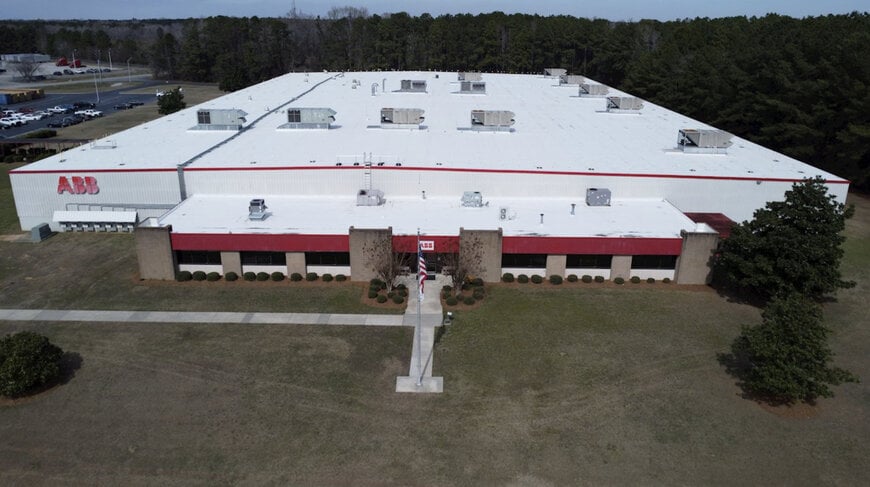
Through renewable energy, electrification, digitalization and circularity initiatives, the ABB Florence team has transformed its 142,000 sq ft facility into a high-performance blueprint for sustainable manufacturing.
Digital energy monitoring and building control systems
To support continuous optimisation, the facility deployed the ABB Ability™ Nsight platform, which uses more than 20 real-time monitoring points to identify inefficiencies in energy usage. This data-driven approach allows targeted adjustments to reduce waste and improve system performance.
The site also integrates ABB INTEGRA™ Supervisory Building Control, enabling automated management of energy-intensive systems. Together, these digital tools provide visibility and control over energy consumption across the facility.
Incremental modernization of legacy infrastructure
Rather than undertaking large-scale equipment replacement, the modernization strategy focused on incremental upgrades guided by operational data. This approach minimises disruption to production while enabling gradual improvements in efficiency and sustainability.
The project demonstrates how existing industrial facilities can adopt electrification and digitalisation technologies to meet evolving energy and environmental requirements without requiring complete redesign.
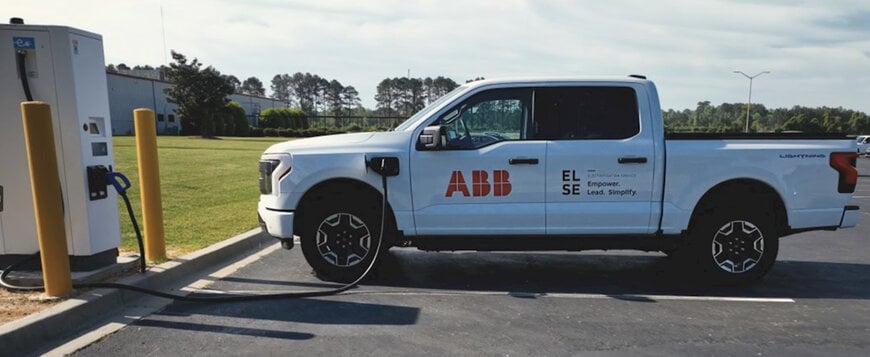
ABB Florence has electrified its fleet and the power generated from the solar field will enable free ve-hicle charging for employees and visitors.
Applications and industrial relevance
Such modernization strategies are applicable to a wide range of industrial facilities, particularly those with ageing infrastructure seeking to improve energy efficiency and reduce emissions. On-site renewable generation combined with digital energy management systems can support manufacturing sectors with continuous operations, including electrical equipment production and other energy-intensive industries.
By combining solar generation, energy monitoring, and building automation, the Florence facility illustrates a practical pathway toward reduced energy consumption, improved resilience, and alignment with long-term net-zero targets.
Edited by Natania Lyngdoh, Induportals Editor — Adapted by AI.
www.abb.com
Industrial manufacturing, building energy management, and electrification systems are increasingly focused on reducing energy consumption while maintaining production continuity. In this context, ABB has modernized its Electrification Service facility in Florence, South Carolina, integrating solar power generation and digital energy management technologies to improve energy productivity and operational resilience.
The 142,000-square-foot facility, in operation for 47 years, now qualifies as part of ABB’s Mission to Zero programme after implementing a series of targeted upgrades designed to reduce emissions, energy consumption, and waste.
On-site solar generation for industrial energy independence
A key component of the modernization is a three-acre solar installation that generates approximately 1.5 million kWh of electricity annually. This system supplies around 80% of the site’s energy demand, reducing dependence on the grid and limiting exposure to energy price fluctuations and supply disruptions.
The integration of on-site renewable energy supports stable operations in a facility with energy-intensive processes requiring continuous and precise control.
Measurable gains in energy productivity and output
The modernization programme resulted in a 74% increase in energy productivity, achieved alongside the introduction of ten new product lines and a 140% increase in revenue. These results indicate improved energy efficiency relative to production output, demonstrating that operational growth can be decoupled from rising energy consumption.
In parallel, waste management improvements have enabled the site to divert more than 90% of operational waste from landfill, supported by recycling initiatives and a waste-to-energy process for non-recyclable materials.
Through renewable energy, electrification, digitalization and circularity initiatives, the ABB Florence team has transformed its 142,000 sq ft facility into a high-performance blueprint for sustainable manufacturing.
Digital energy monitoring and building control systems
To support continuous optimisation, the facility deployed the ABB Ability™ Nsight platform, which uses more than 20 real-time monitoring points to identify inefficiencies in energy usage. This data-driven approach allows targeted adjustments to reduce waste and improve system performance.
The site also integrates ABB INTEGRA™ Supervisory Building Control, enabling automated management of energy-intensive systems. Together, these digital tools provide visibility and control over energy consumption across the facility.
Incremental modernization of legacy infrastructure
Rather than undertaking large-scale equipment replacement, the modernization strategy focused on incremental upgrades guided by operational data. This approach minimises disruption to production while enabling gradual improvements in efficiency and sustainability.
The project demonstrates how existing industrial facilities can adopt electrification and digitalisation technologies to meet evolving energy and environmental requirements without requiring complete redesign.
ABB Florence has electrified its fleet and the power generated from the solar field will enable free ve-hicle charging for employees and visitors.
Applications and industrial relevance
Such modernization strategies are applicable to a wide range of industrial facilities, particularly those with ageing infrastructure seeking to improve energy efficiency and reduce emissions. On-site renewable generation combined with digital energy management systems can support manufacturing sectors with continuous operations, including electrical equipment production and other energy-intensive industries.
By combining solar generation, energy monitoring, and building automation, the Florence facility illustrates a practical pathway toward reduced energy consumption, improved resilience, and alignment with long-term net-zero targets.
Edited by Natania Lyngdoh, Induportals Editor — Adapted by AI.
www.abb.com
